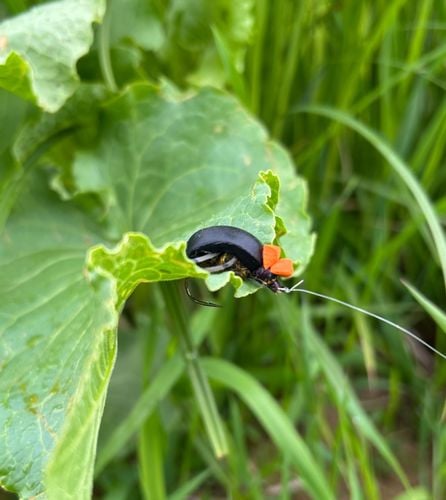
Wasp
Vespa crabro — Hornet, Wasp
Late-summer wasps and hornets blown onto the water can trigger explosive takes, especially from larger fish.
Terrestrials — Terrestrial
Vespidae
Body 15–35 mm / Hook size 8–12
Afternoon and evening
Rivers, backwaters, and stillwaters near woodland or scrub
Lifecycle
Colonies peak in late summer. Adults forage actively around bankside vegetation and are vulnerable to wind knock-down over water.
Peak months
Although sporadic, wasp falls can create memorable opportunistic feeding. High-floating yellow-black terrestrial patterns are effective in these windows.
Fishing tips
Wind-Blown Edges
Target downwind banks and foam lines with a buoyant wasp imitation. Keep drifts natural and avoid heavy splash on presentation.
Fly patterns
Other hatches
TerrestrialsBlack Gnat
Bibio johannisA ubiquitous summer terrestrial — the Black Gnat is available to fish on virtually every European river when other hatches are quiet.
MayfliesBlue Winged Olive
Serratella ignitaThe most important small olive on British and European chalk streams — reliable, widespread, and technically demanding.
Midges & DipteraBuzzer / Midge
Chironomidae sp.The most important insect of all on stillwaters — year-round, in every month, on every productive lake and reservoir in Europe.
MayfliesCaenis
Caenis horariaThe infuriatingly tiny mayfly that hatches in such vast numbers that fish refuse to look at anything larger — the tying and presentation challenge of a lifetime.
CaddisfliesCinnamon Sedge
Limnephilus lunatusA common summer evening caddis found across Europe — its reliable evening hatches from June to August provide consistent dry fly fishing.